
A mid-term review for the 2030 horizon
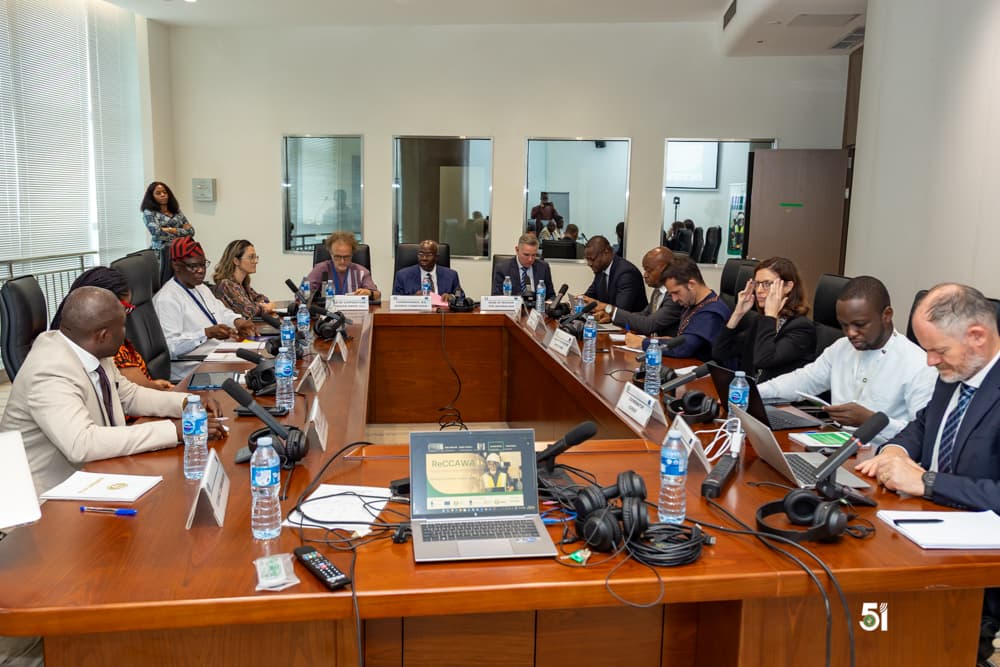
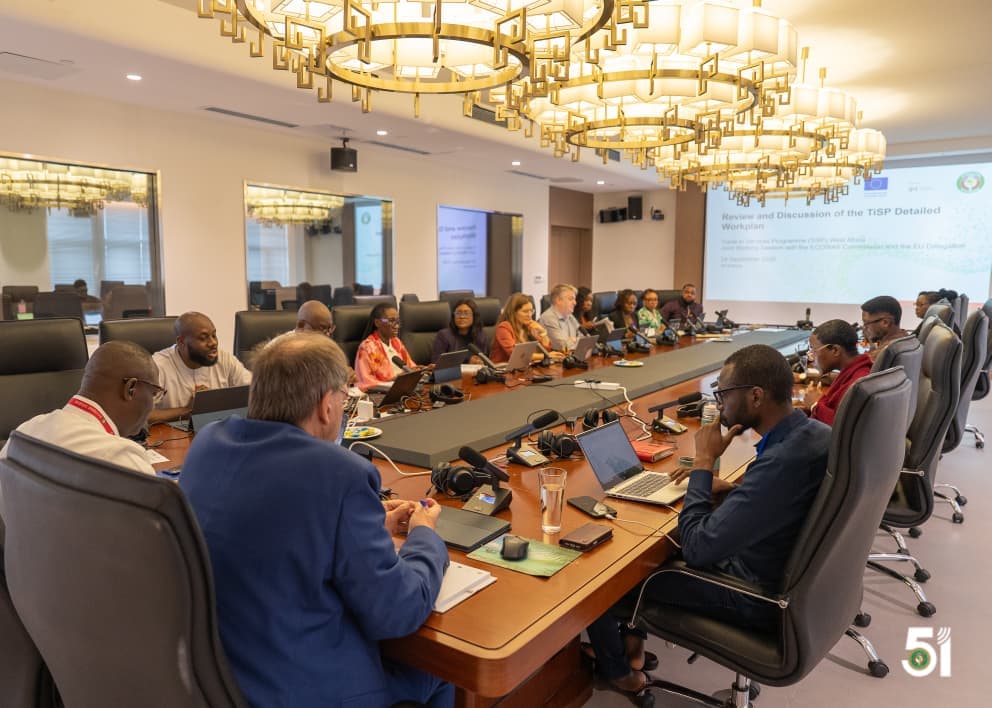
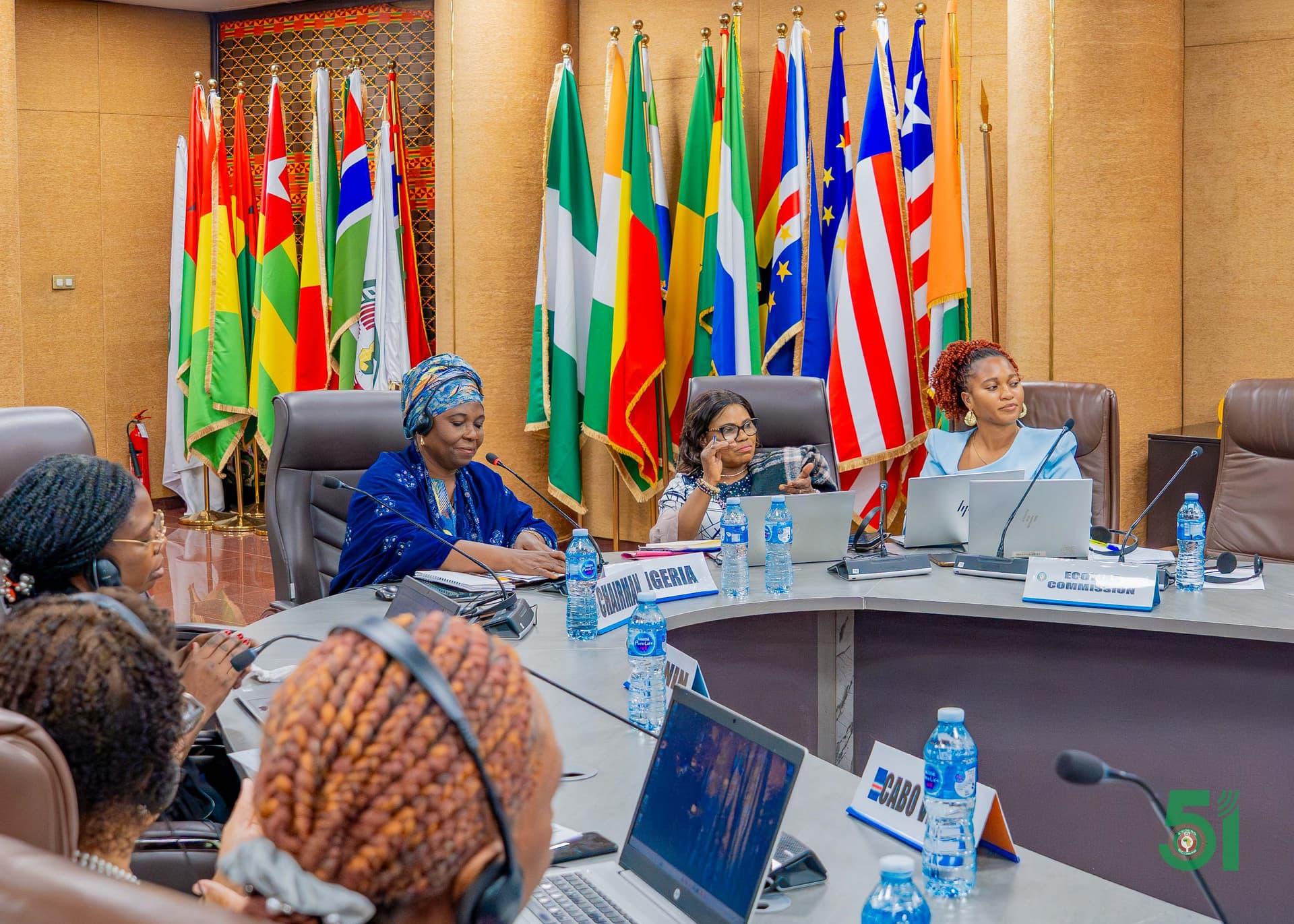
National directors responsible for children's rights within ECOWAS member states are examining the progress of their sectoral commitments. Adopted on 29 June 2019 in the Nigerian federal capital, the ECOWAS Child Policy and its Strategic Action Plan (2019-2030) aim to support countries in the community space. The overall objective of this planning framework is to help member states establish an environment conducive to the survival, development, protection, and participation of children.
Dr Ibrahim Mohammed, Acting Director of Humanitarian and Social Affairs of the ECOWAS Commission, delivered the opening address of this meeting. Discussions focus on the obstacles hindering children's access to education, health, and protection, notably poverty, population displacement, food insecurity, malnutrition, and the destruction of socio-economic infrastructure.
Revitalizing member state accountability
For the countries of the region, this session constitutes an essential monitoring and evaluation exercise to measure the real impact of national public policies. Speaking on behalf of Senegal, which currently holds the rotating presidency of ECOWAS, the Deputy Director in charge of Child Development at the Nigerian Ministry of Women Affairs, Mariam Fitumi Shaibu, insisted on the need to translate regional guidelines into concrete results.
Integrating child participation into monitoring
The evaluation process also integrates technical partners and civil society organizations working on the ground. Representing the Regional Child Protection Working Group virtually during this event, Aimé Bada pleaded for the direct involvement of those primarily concerned in the analysis of the results of this policy.
According to this representative, the evaluation must strengthen the principle of child participation, so that they are not only considered passive beneficiaries of programs, but as actors capable of expressing their concerns and influencing decisions that affect them.
Participants at the Abuja meeting are notably expected to review the ECOWAS Child Rights Information Management System, a technical tool designed to centralize and analyze monitoring data for the sectoral policy by the 2030 deadline.
Gallery
Sources
The facts in this article come from the following sources:
- 1EVALUATING THE IMPLEMENTATION OF THE ECOWAS CHILD POLICY BY MEMBER STATES OF THE REGIONAL ORGANIZATIONCEDEAO · 25 September 2026 official source