
A major energy and health challenge
Access to environmentally friendly meal preparation methods remains a critical issue in West Africa. Currently, only a quarter of the population in this region has access to clean cooking solutions. The vast majority of households still rely on traditional solid fuels, mainly firewood and charcoal, which accelerates deforestation and exposes populations to severe health risks.
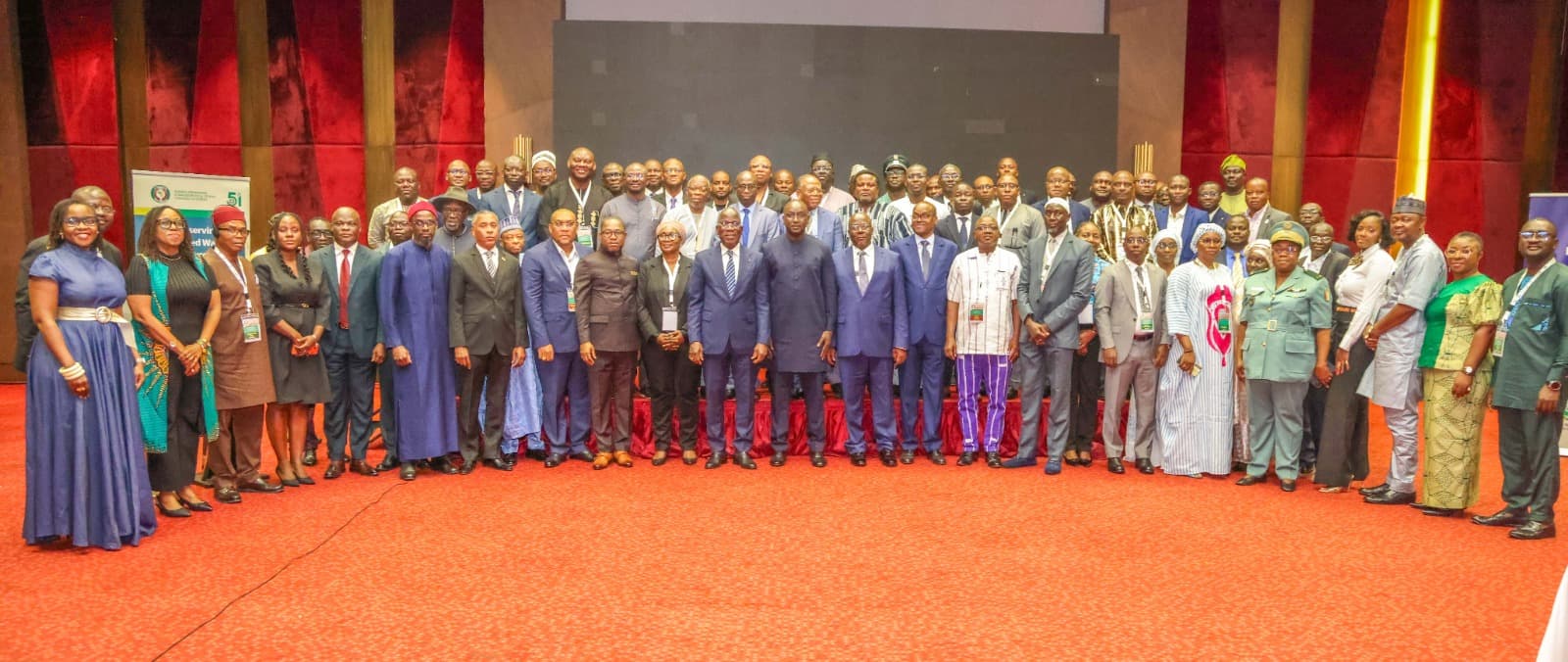
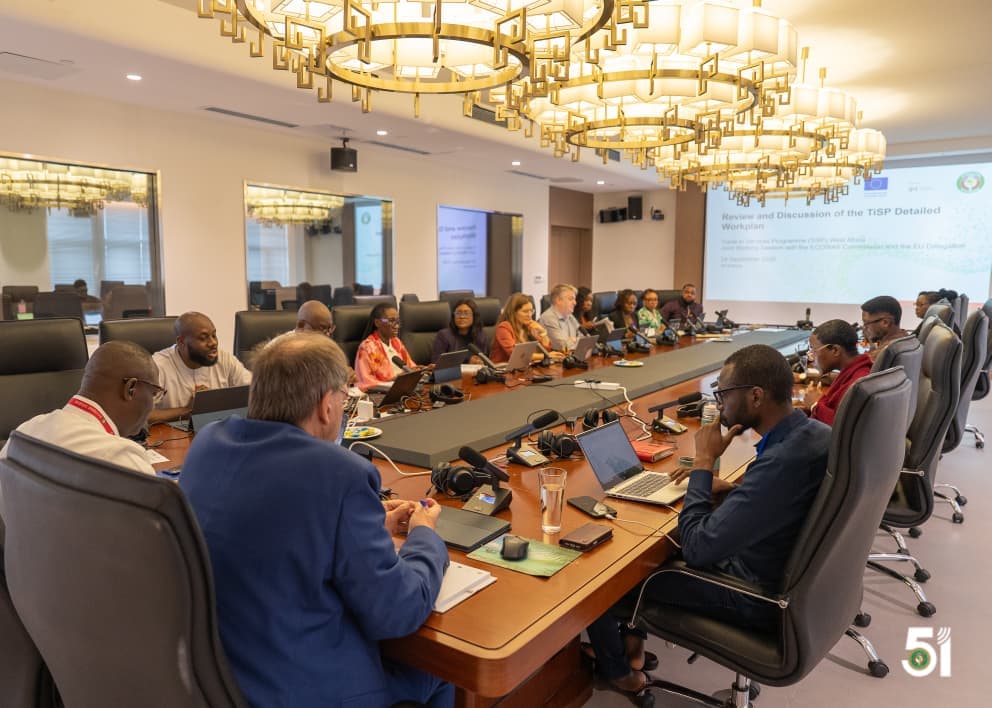
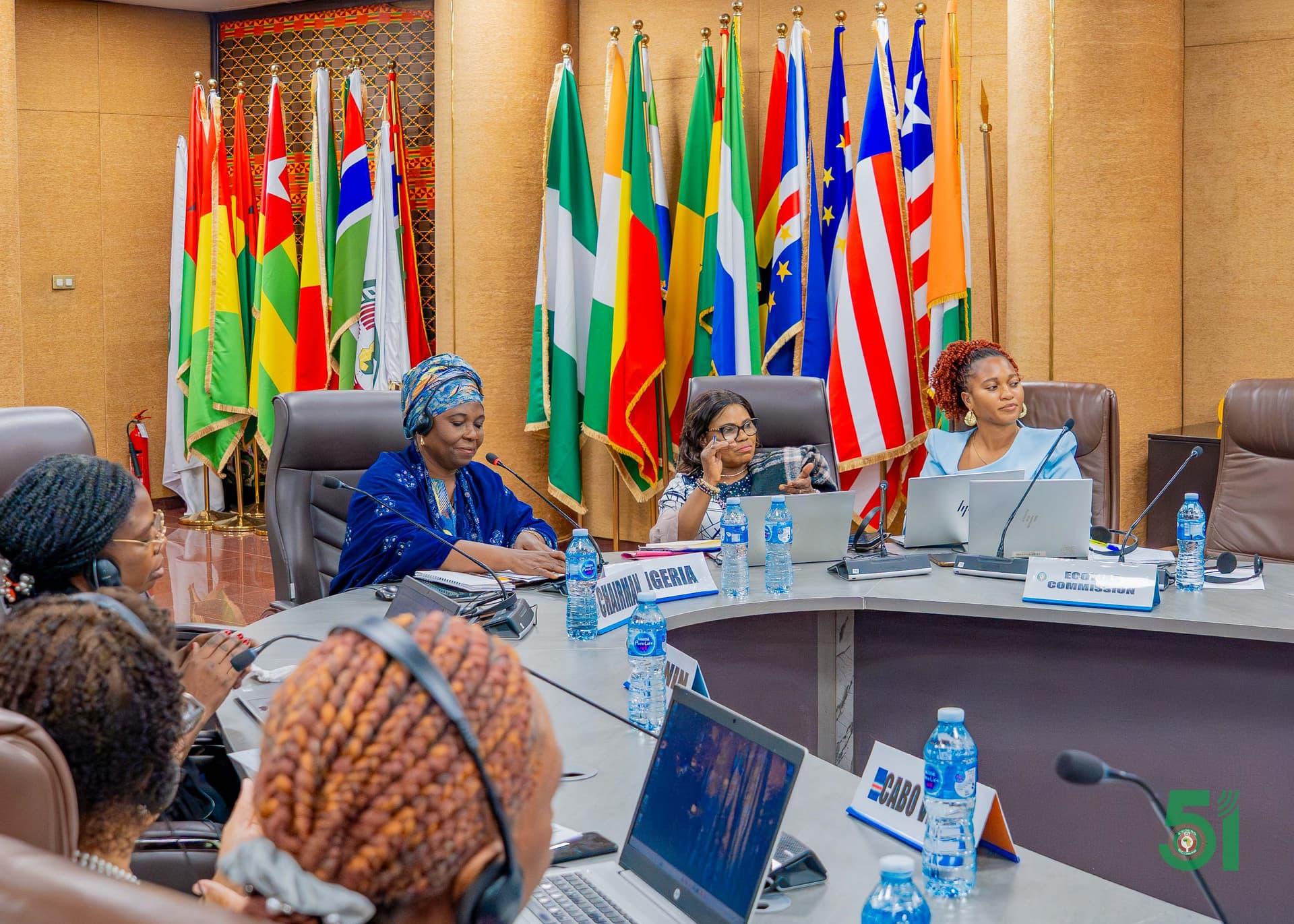
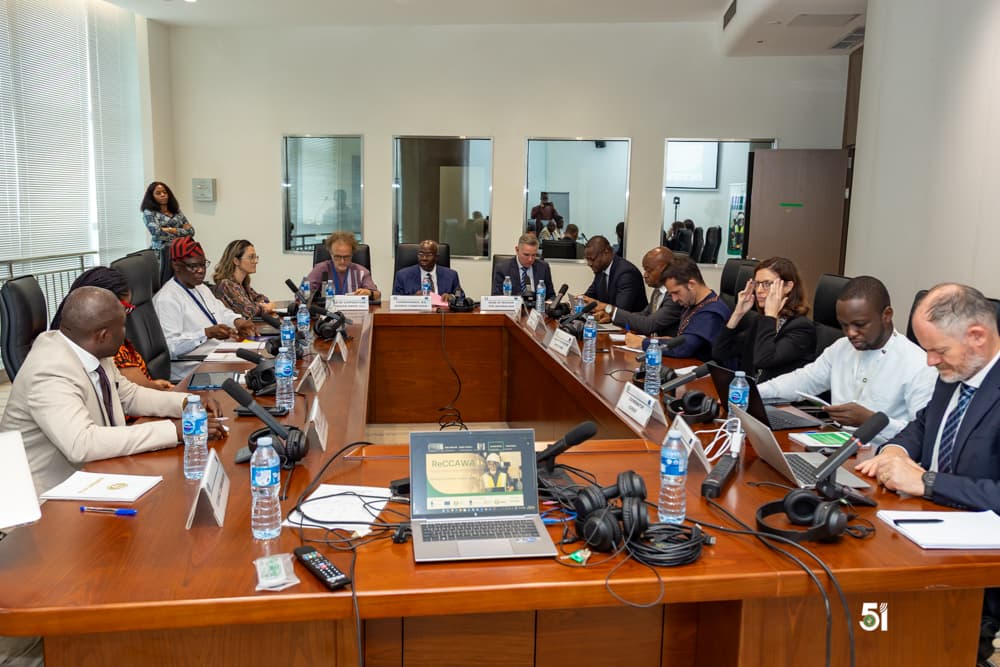
To reverse this trend, the Regional Clean Cooking Action in West Africa (ReCCAWA) project targets the improvement of living conditions for 750,000 people. The initiative is structured around a regional governance framework, whose steering committee held its second session at the headquarters of the Economic Community of West African States (ECOWAS).
A financial and operational alliance
The deployment of the project is supported by a total budget of 17 million euros. This financial allocation is co-funded by the European Union and the Dutch Ministry of Foreign Affairs.
On the operational level, implementation combines local and international expertise through three key entities: the ECOWAS Centre for Renewable Energy and Energy Efficiency (ECREEE), the Spanish Agency for International Development Cooperation (AECID), and the Netherlands Enterprise Agency (RVO). The chairmanship of the steering committee is entrusted to the Directorate of Energy and Mines of the ECOWAS Commission.
From planning to field results
This Abuja meeting follows the work of the preparatory technical committee, which took place in Praia, Cape Verde. The objective now is to translate inventories and planning frameworks into concrete actions within the various member states. Partners are focusing on integrating regional policies into national regulations, developing local markets for cooking equipment, and involving women in the value chain.
The position of the Netherlands on this transition was formulated during the discussions.
Gallery
Sources
The facts in this article come from the following sources:
- 1ECOWAS HOLDS THE SECOND MEETING OF THE STEERING COMMITTEE OF REGIONAL CLEAN COOKING ACTION FOR WEST AFRICA (ReCCAWA)CEDEAO · 22 September 2026 official source